


Choosing the Right Robotics Kit for Children

Selecting a robotics kit for children can feel overwhelming with the abundance of options available today. From basic builds designed for early learners to complex programmable robots for aspiring engineers, the choices cover every age and skill level. Making the right decision is crucial for sparking interest, fostering STEM skills, and ensuring safety. This guide explores key considerations, recommended age groups, essential features, and the importance of educational value to support parents and educators in choosing the best robotics kit for a child’s unique needs and abilities.

Understanding the Child’s Age and Skill Level

Early Learners and Young Children

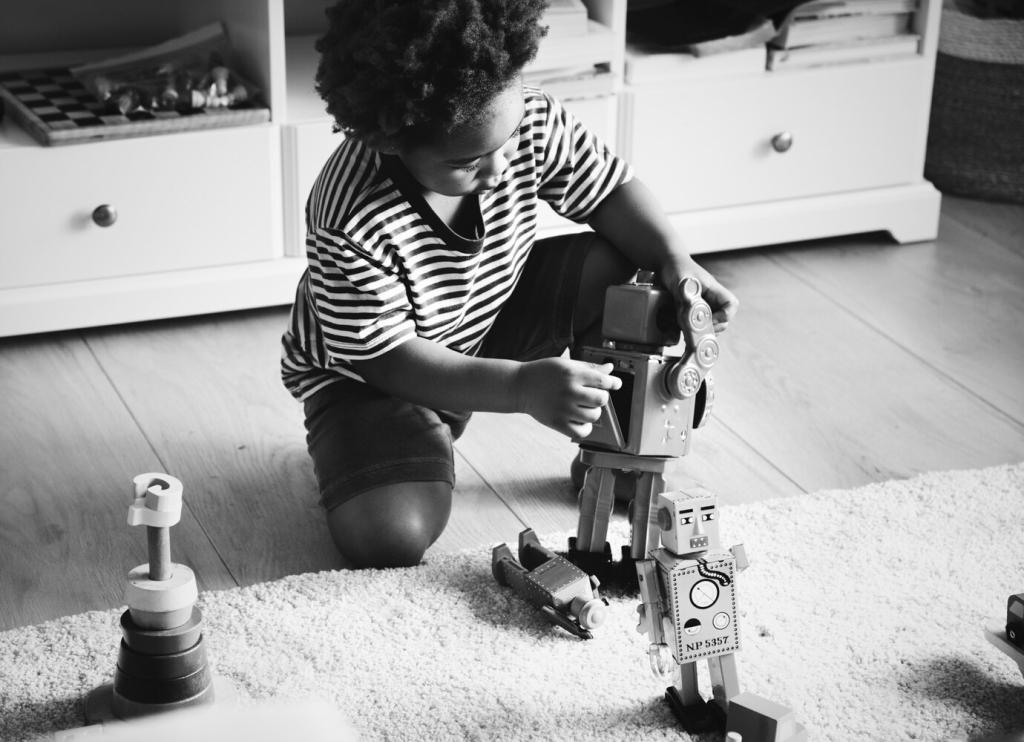
For children in the early years, such as preschoolers and those in primary school, simplicity is vital. Kits aimed at this age group typically offer large, colorful pieces, minimal assembly, and limited programming—if any. These kits focus on developing fine motor skills, hand-eye coordination, and basic logical thinking. Look for kits that emphasize safe materials, easy-to-follow instructions, and opportunities for creative play. The goal here is to ignite curiosity and offer rewarding hands-on experiences without overwhelming the child with technical jargon or complex tasks.

Intermediate Learners and Preteens

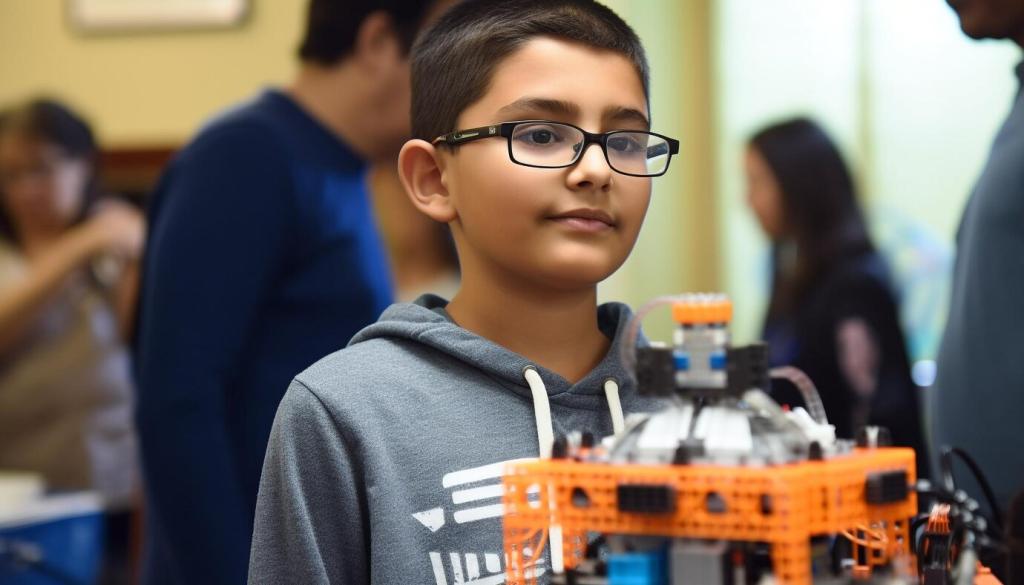
As children grow and begin to master foundational skills, they are ready for more challenging robotics experiences. Kits targeting this group often introduce the basics of coding, modular parts, and programmable functions. They strike a balance between guided construction and open-ended customization, allowing children to experiment and troubleshoot. This stage is ideal for developing problem-solving skills, patience, and persistence. Kits should provide a clear progression from basic builds to more complex projects, supporting the child as they evolve from following instructions to independent invention.

Teens and Advanced Young Makers

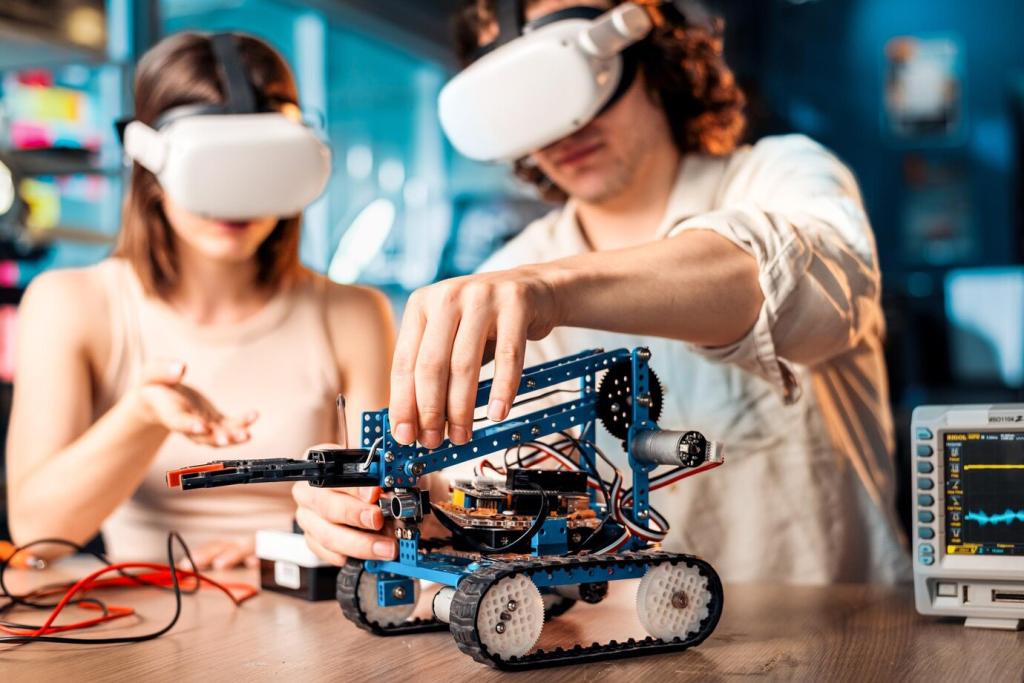
Older children and teenagers typically crave deeper engagement and the chance to bring their own ideas to life. Robotics kits for this group offer sophisticated components, such as sensors, motors, and advanced programming interfaces. These kits encourage exploration of real-world applications—like automation, engineering, and artificial intelligence—and may be compatible with external coding platforms. The focus shifts toward project-based learning, critical thinking, and innovation. Advanced kits should offer support for learning new technologies while providing the freedom to design, build, and program unique robotic creations.

Programmability and Learning Curve

One of the key benefits of modern robotics kits is the exposure to coding and logical problem-solving. Some kits offer simple, icon-based programming suitable for non-readers, while others provide support for text-based languages like Python or Scratch. Assess whether the programming aspect matches the child’s ability and interest levels. Kits with easily adjustable difficulty help bridge early curiosity with more advanced concepts, fostering a continuous learning process without introducing frustration.

Expandability and Compatibility

Consider whether the kit can grow alongside the child. An expandable robotics kit may offer additional modules, upgrades, or compatibility with external hardware and software platforms. Modular systems encourage creativity as children can invent new robots beyond the initial instructions, promoting deeper engagement. Compatibility with popular coding environments allows for seamless transition as children advance, ensuring that the kit doesn’t become obsolete too soon.

Battery Life and Power Solutions

Practical aspects such as power source type, battery life, and ease of charging play an important role in robotics kit selection. Kits that require frequent battery changes or charging sessions may disrupt learning and play. Opt for kits with rechargeable power systems or those that use easily available batteries. Adequate battery life ensures extended hands-on experiences, and thoughtful power solutions prevent frustration—helping maintain the child’s attention and enthusiasm during both guided and exploratory use.